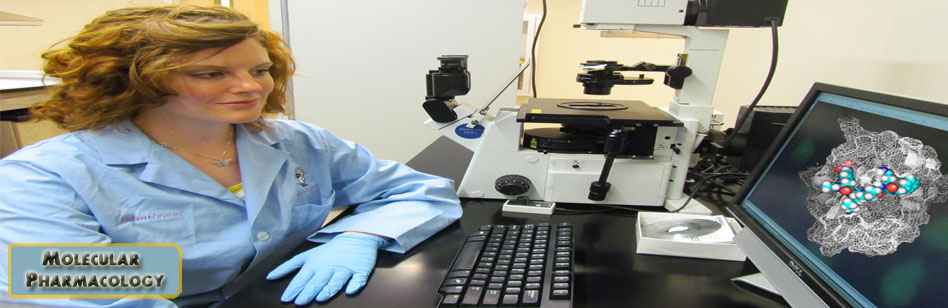
The central nervous system (CNS) governs essential physiological processes including cognition, emotion, motor coordination and behavior. Disorders affecting the central nervous system represent a significant global health burden, necessitating the development of effective and safe pharmacological interventions. Preclinical evaluation plays a crucial role in central nervous system discovery by enabling the assessment of therapeutic efficacy, safety and mechanisms of action before clinical translation. Various experimental models have been developed to study central nervous system pharmacology, including behavioral paradigms and seizure models. This review summarizes widely used preclinical models such as the Open Field Test, Elevated Plus Maze, Rotarod Test, Morris Water Maze, pentylenetetrazole-induced seizures and maximal electroshock-induced seizures, highlighting their applications, advantages and limitations in central nervous system drug development1-3.
Anupriya Thomas*, S. Aiswarya, P. M. Aswin, N. A. Rifa Fathima, Z. Shanoop.
Recurrent seizures are the hallmark of epilepsy, a chronic neurological condition that continues to be a significant global public health concern. The search for safer and more potent substitutes from medicinal plants has been prompted by the drawbacks of the antiepileptic medications now on the market, such as side effects and treatment resistance. The phytochemical components and anticonvulsant properties of Zingiber officinale rhizome extract in mice were examined in this work. Fresh rhizomes were gathered, verified, dried and then extracted using ethanol. Flavonoids, tannins, saponins, alkaloids, phenols, terpenoids and glycosides were found using qualitative phytochemical screening. Pentylenetetrazol and strychnine-induced seizure models were used to assess the anticonvulsant activity of the extract in mice at 100, 200 and 400mg/kg. At 100, 20 and 400mg/kg, the extract significantly (p < 0.05) increased the seizure start time from 2.8 ± 0.3 min in the control group to 4.9 ± 0.4, 7.6 ± 0.5 and 10.8 ± 0.7 min, respectively. The control group's seizure duration dropped from 6.7 ± 0.5 minutes to 4.8 ± 0.4, 3.2 ± 0.3 and 1.9 ± 0.2 minutes, respectively. Additionally, at the same dosages, the extract protected 20%, 60% and 80% of rats from convulsions, while diazepam (5mg/kg) afforded 100% protection. These results confirm Zingiber officinale’s potential as a source of new antiepileptic drugs and indicate that it has strong anticonvulsant efficacy, which may be related to its rich phytochemical content.
Background: Irritable bowel syndrome (IBS) is a common disorder of gut–brain interaction characterized by abdominal pain, bloating, altered bowel habits and impaired quality of life. Complementary approaches targeting both physiological and behavioral aspects of IBS may provide additional benefit. Objective: To evaluate the feasibility, safety and preliminary clinical outcomes of a standardized Boswellia carterii extract combined with structured patient education in adults with IBS. Methods: This pilot single-arm quasi-experimental study enrolled 60 adults with moderate IBS attending outpatient clinics at Mansoura University Hospitals, Egypt. Participants received standardized Boswellia carterii extract (500mg capsules standardized to ≥65% boswellic acids, twice daily) together with two structured educational sessions focused on IBS self-management. Clinical assessments were performed at baseline, week 1 and month 1. Outcome measures included abdominal pain, bloating severity, bowel habit characteristics, gastrointestinal symptoms and IBS-related quality of life. Results: The intervention was feasible and well tolerated. Significant improvements were observed over the study period in abdominal pain, bloating severity, stool frequency and consistency and overall gastrointestinal symptom burden. Quality-of-life scores improved across multiple domains, including physical functioning, health concerns, dietary behavior and social participation. No serious adverse events were reported. Conclusion: A multimodal intervention consisting of standardized Boswellia carterii extract and structured patient education was feasible, safe and associated with clinically meaningful improvements in IBS symptoms and quality of life. Because of the single-arm design and absence of a control group, these findings should be considered exploratory and hypothesis-generating. Randomized controlled trials are warranted to confirm efficacy.
Tahani Farag, Eman R. El-Refaay, Saher Soliman, Farid A. Badria*